Home › Buying process › Aftercare & snagging
Window aftercare and snagging, made simple
A good installation should be trouble-free, but it is normal to spot the odd small thing in the first weeks — a stiff handle, a smear of sealant, a trim that needs tidying. Snagging is simply the process of listing those points and getting them put right. Here is how to do it calmly and effectively.
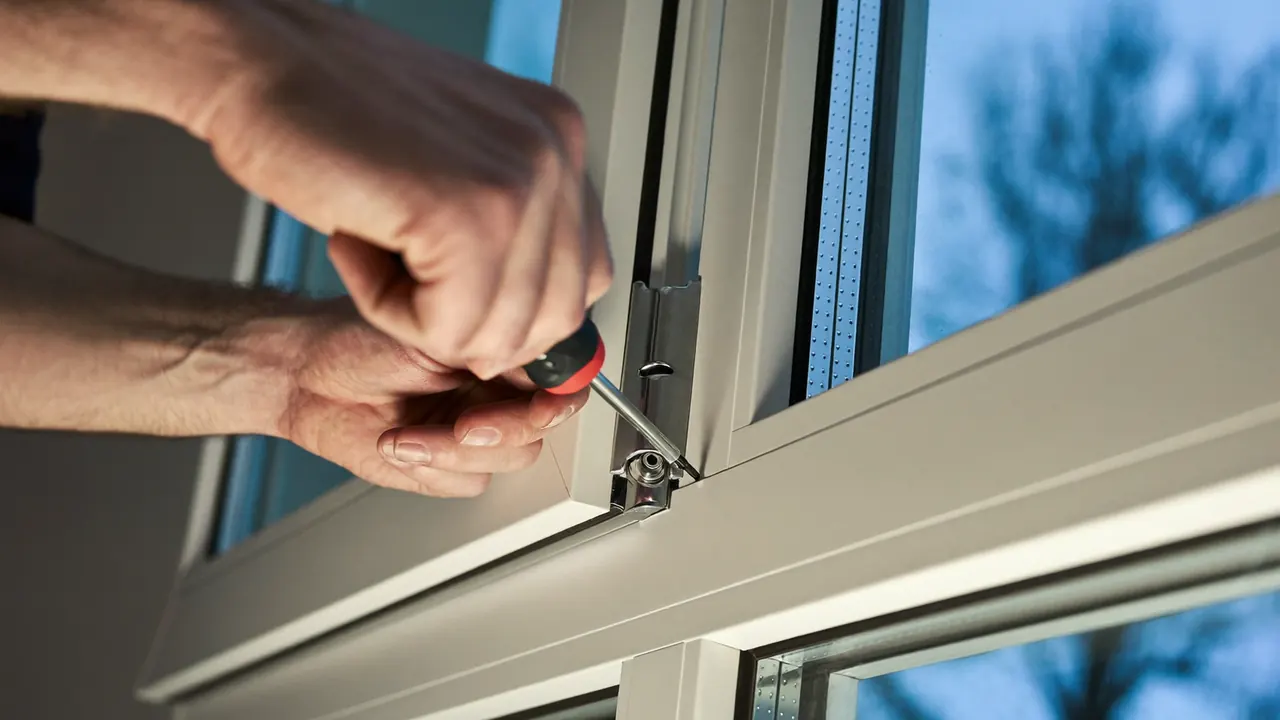
What counts as snagging?
Snags are minor, cosmetic or adjustment issues rather than serious faults — the kind of thing that is quick for the fitter to sort on a return visit. Typical examples include a sash that needs easing, a lock that is slightly stiff, silicone that needs neatening, a scuffed bead or a trickle vent that whistles. None of these mean the job went wrong; they are the normal fine-tuning of a freshly fitted window.
Do your first check within a week
While the work is fresh, go round every new window and test it properly:
- Open and close each sash fully — it should move smoothly and seal evenly.
- Turn every handle and lock, and try any keys and restrictors.
- Look along the frames for scuffs, gaps in the sealant or trim that has lifted.
- Check the glass for scratches in good daylight.
- Feel for draughts around the edges on a windy day.
Note anything you find with a quick photo. A short, clear list is far easier for your installer to act on than a vague complaint.
Choose an installer who stands behind the work
We match you with vetted installers whose fits are covered by a written guarantee. Get a free quote.
Get my windows →How to raise a snag
Contact your installer in writing — email or their customer portal — with your list and photos, and give them a fair chance to return. Most reputable firms will book a snagging visit quickly and sort everything in one go. Keep things polite and factual; the fitters want a happy customer and a good review just as much as you want the finish right. Being informed and kept in the loop is exactly what people highlight in our customer reviews.
What your guarantee should cover
Beyond snagging, your windows come with cover for the longer term. A good guarantee protects the frames, the sealed glass units and the workmanship, and the best are insurance-backed so you are protected even if the company stops trading. Keep this paperwork with your FENSA certificate. If a fault appears months later — a misted unit, a failed hinge — that is a warranty claim, not snagging, and the guarantee is what you fall back on. This is why it pays to be thorough vetting your installer first.
Keeping your windows in good shape
Modern frames need little upkeep. Wipe them down a few times a year, keep the drainage slots at the bottom of the frame clear, and put a spot of light oil on hinges and locks annually. Looking after the seals and vents keeps your windows tackling the everyday problems new windows solve for years. If you are planning further work around the house, a wider home improvement quote comparison can help you schedule maintenance and upgrades together.

Ready to get windows you can rely on?
Answer two quick questions and we'll match you to a vetted installer near you. No obligation.
Get my windows →